
Why Customers Delay Payments: The Psychology of Late Payment (and the Nudges That Work)
Why customers delay payments: the behavioral reasons behind late invoices, and the nudge tactics that get them paid faster without damaging relationships.

Pratheek Adi
Co-Founder & CTO

Table of contents
Share
Understanding why invoices go unpaid on time isn’t just about chasing money, it’s about human behavior. When customers delay payments, it often stems from psychological factors rather than sheer negligence. By tapping into behavioral finance and subtle nudge tactics, accounts receivable teams can transform their collections process from reactive chasing to proactive engagement.
Engaging with these strategies can cut days off your average days sales outstanding (DSO) and free up your team for higher-value work.
Customers delay payments for predictable behavioral reasons: present bias (today's tasks beat future obligations), cognitive overload, emotional friction, process friction, and social norms. Countering them with commitment prompts, loss-aversion framing, and low-friction payment paths gets invoices paid faster without damaging the relationship.
Why Do Customers Delay Payments?

Late payments often stem from a combination of cognitive, emotional, and operational factors. Recognizing these can help finance teams address the why behind delays:
Cognitive Overload
Decision fatigue affects everyone. A client juggling dozens of tasks may overlook an invoice, even if funds are available.Habit and Prioritization Bias
Humans naturally focus on immediate priorities. This present bias means that paying a Net 30 invoice is easily deprioritized over urgent daily tasks like payroll or client emergencies.Emotional Friction
Paying an invoice can trigger anxiety, especially when the client is managing tight budgets or facing internal scrutiny. Some deliberately postpone payment until they “feel ready,” creating avoidable delays.Process Friction
Multi-step approval workflows or complex payment methods add friction. Each additional step increases the likelihood of delay, particularly in industries like healthcare or construction, where invoice routing can involve multiple departments.Social and Normative Influence
Clients often follow perceived norms. If they believe peers delay payments, they may unconsciously mirror that behavior. Social proof is a powerful, underutilized lever in AR strategy.
Which Behavioral Finance Principles Drive Payment Behavior?
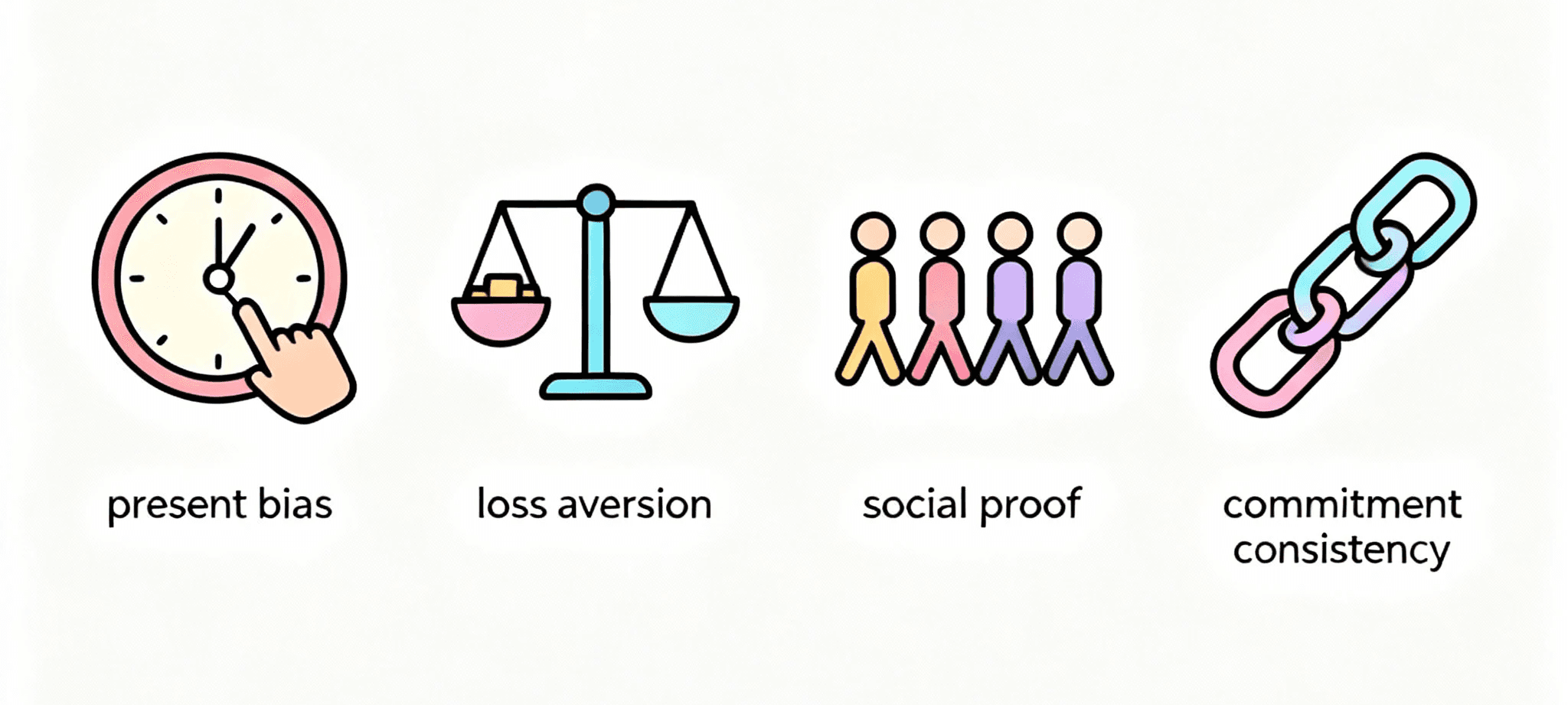
Behavioral finance helps explain why these delays persist and how to counteract them. Key principles include:
Present Bias: Immediate tasks feel more urgent than future obligations. Nudges should prioritize invoices in a way that makes paying “today” the path of least resistance.
Loss Aversion: People respond more strongly to potential losses than equivalent gains. Framing late fees as “forgone discounts” or potential penalties can motivate faster payment, based on the research by Kahneman & Tversky (1979).
Social Proof: Highlighting that most clients pay on time can influence behavior. Simple statements like, “Most of our healthcare partners settle invoices within 10 days,” create subtle peer pressure.
Commitment and Consistency: People are more likely to follow through on a promise they’ve made explicitly, such as confirming a payment date.
Reciprocity: Offering value, such as early-payment incentives or a small service add-on, can trigger a desire to reciprocate.
What Nudge Tactics Actually Speed Up Collections?
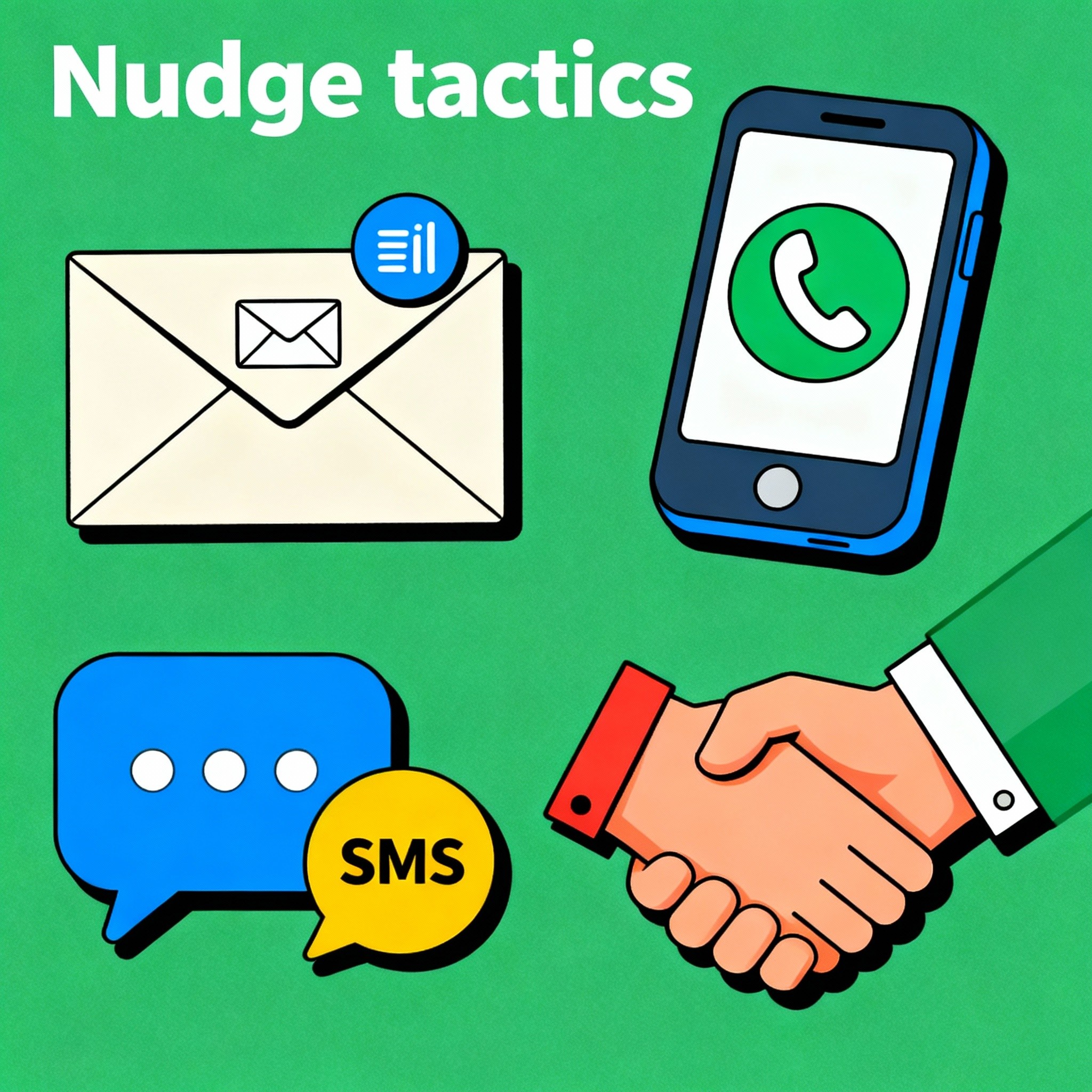
Based on behavioral science, AR teams can employ these strategies:
Commitment Anchoring
Rather than just stating a due date, invite clients to select their preferred payment date. Asking for an explicit commitment measurably increases follow-through: a date the customer chose is harder to ignore than a date you imposed.Social Norm Messaging
Integrate peer-based comparisons in reminders. For instance, “80% of our trade clients settle invoices within 14 days” subtly encourages conformity.Loss Aversion Framing
Highlight what clients could lose, such as discounts or avoiding late fees. Phrasing like “Pay by Friday to avoid the late fee in your agreement” makes the cost of waiting concrete and immediate.Reciprocity Prompts
Offer small rewards for timely payment: an early-payment discount, free consultation, or access to industry insights. Even modest gestures measurably lift on-time payment rates.
How Do You Run Payment Nudges at Scale?

Implementing these tactics at scale manually is time-consuming. Here’s how automation helps:
Step 1: Segment Clients
Group clients by size, industry, and past payment behavior. High-value clients may receive personalized outreach; small accounts benefit from automated reminders.
Step 2: Layer Nudges Across Channels
Email: Personalized sequences including commitment prompts, social proof, and loss aversion framing.
AI Calls: Simulated conversations confirm payment plans, address concerns, and log responses.
SMS / Messaging: Quick reminders with clickable payment links reduce friction.
Step 3: Measure & Optimize
Track DSO, open-to-payment conversion, and response times. Use insights to fine-tune messaging, timing, and channel selection.
This is where Abivo fits. In our experience about 86% of collections touches are routine enough to automate with behaviorally sound nudges across calls, email, and SMS, while the remaining 14%, disputes, hardship, and sensitive accounts, still needs a human. Kate, Abivo's AI agent, runs the routine nudges, logs every commitment, and escalates the moment judgment is needed.
Best Practices for AR Leaders
Segment Customers Strategically: Different client types respond to different nudges.
A/B Test Messaging: Compare subject lines, tone, and channels to determine what drives fastest payment.
Balance Automation with Human Touch: AI handles routine reminders; manual follow-up is reserved for VIP accounts.
Monitor Comprehensive Metrics: Track DSO, response rates, and manual effort.
Maintain Professional Tone: Avoid aggressive messaging; emphasize collaboration and shared goals.
Practical Takeaways
Use commitment prompts to anchor payment dates.
Leverage social norms to encourage timely payments.
Frame reminders around loss aversion to increase urgency.
Offer reciprocity incentives to foster goodwill.
Automate nudge delivery with AI for consistent scale.
Continuously analyze performance to refine strategy.
Adapt approaches to industry and client type for maximum effectiveness.
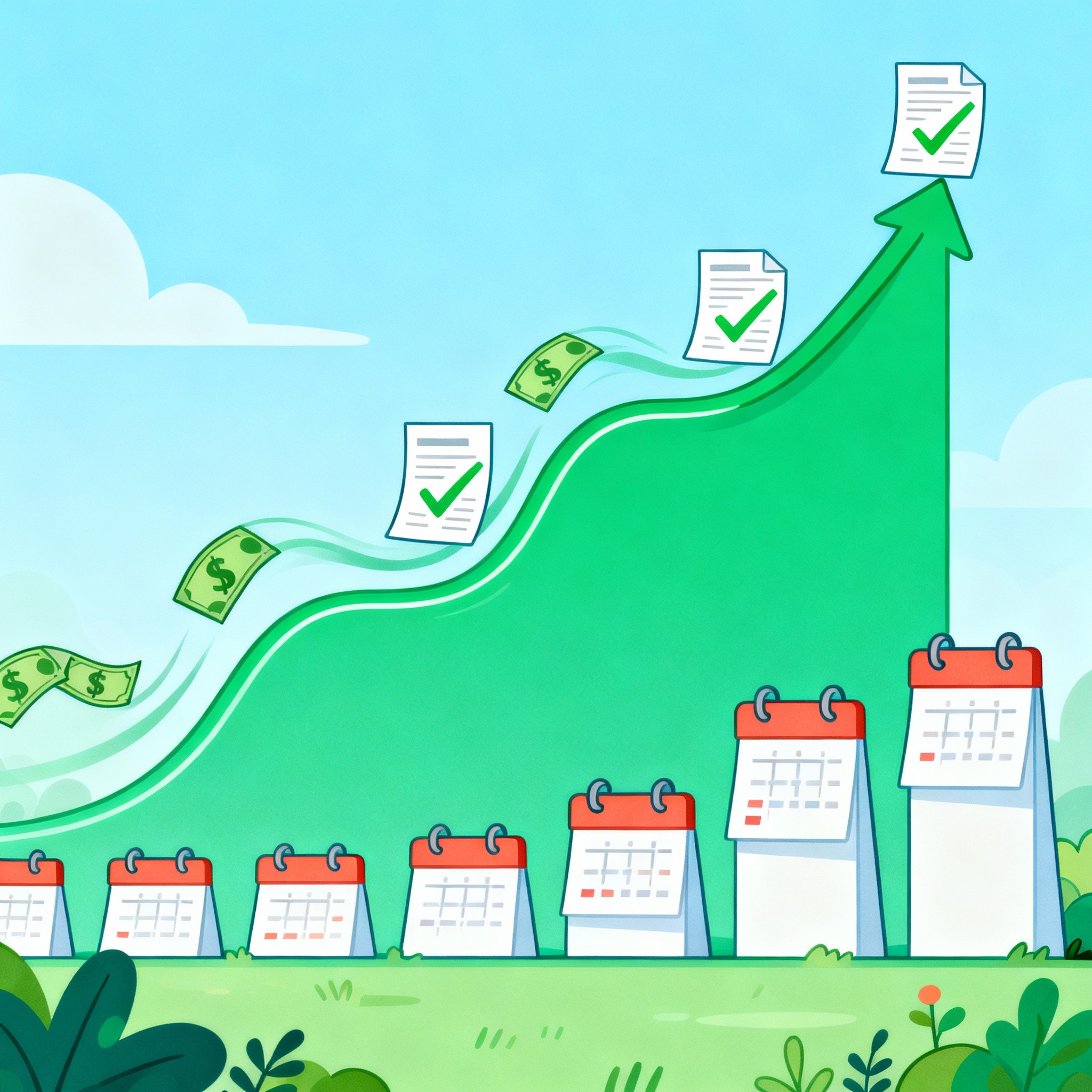
By embedding behavioral insights into an AI-driven workflow, AR teams can recover revenue faster, reduce manual effort, and turn collections into a strategic advantage.
FAQ
Why do customers pay late even when they have the money?
Because attention, not ability, is the usual bottleneck. Present bias pushes future obligations behind today's urgent tasks, and every extra approval step adds delay. The fix is making payment the easy, obvious next action.
What is a payment nudge?
A payment nudge is a small change in how or when you ask for payment that works with human psychology instead of against it: asking the customer to commit to a date, framing what waiting costs, reducing the steps to pay, or referencing what similar customers do.
Do late-payment nudges damage customer relationships?
Done politely, no. Nudges are reminders shaped around how people actually decide, and they stay professional in tone. The relationship risk sits in disputes and hardship conversations, which should always be handled by a human.
What is the fastest way to get overdue invoices paid?
Combine a low-friction payment path with an explicit commitment: reach the customer, ask them to name a payment date, confirm it in writing, and follow up on that date. Consistency beats intensity.
Curious what this sounds like in practice? Here's a 98-second sample call: https://aabivo.com/#live-demo